Factsheet: IMEI Tampering and India’s Telecommunications Security
A Growing Digital Ecosystem and the Need for Device Integrity
Rapid digital transformation has firmly positioned telecommunications at the core of daily life, commerce, and public governance in India. With active wireless subscribers reaching 1,204.01 million in July 2026, the nation’s interconnected network supports digital payments, critical online services, and citizen-first governance.
As reliance on connected platforms grows, preserving the integrity of hardware identifiers has become essential. A major emerging vulnerability is the illicit modification and cloning of the International Mobile Equipment Identity (IMEI) number. Tampered or spoofed device identities disguise stolen or illegal hardware, obstructing network tracking and complicating work for law enforcement agencies.
Defining Unlawful IMEI Tampering
Under applicable telecom regulations, it is illegal to deliberately:
- Erase, remove, alter, or falsify a mobile device’s IMEI number.
- Manufacture, smuggle, distribute, purchase, or maintain control over hardware or software specifically designed to enable IMEI re-programming.
Core Concepts: Understanding the IMEI
- What is an IMEI? A unique 15-digit code used to identify genuine mobile equipment across mobile networks.
- Type Allocation Code (TAC): The initial eight digits of an IMEI identify the exact make, brand, and hardware model.
- Issuing Authority: The global allocation of TAC codes is overseen by the GSM Association (GSMA). Manufacturers obtain these allocations to generate specific, unique IMEI sequences for each handset.
- Dual-SIM Devices: Feature two distinct IMEI numbers—one assigned per SIM slot.
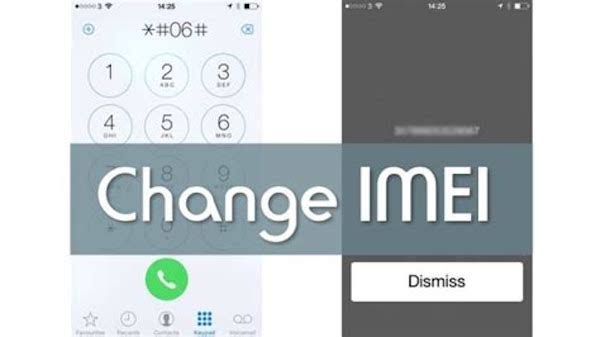
- How to Check Your IMEI: Dial
*#06#from any mobile handset to view its assigned identifiers instantly. - Verification Methods: End users can confirm device details via the official Sanchar Saathi web portal, mobile app, or by sending an SMS reading
KYM <15-digit IMEI>to 14422.
Stakeholder Roles Across the Supply Chain
Ensuring device authenticity requires strict accountability across every stage of the hardware lifecycle:
- Manufacturers: Must register the IMEI numbers of every device produced in India through the government’s Device Setu – ICDR (Indian Counterfeited Device Restriction) platform before testing, R&D, or commercial rollout.
- Importers: Required to register the IMEI of every imported communication device via the Device Setu portal prior to entering the domestic market.
- Brand Owners: Obligated to confirm that all branded hardware satisfies GSMA TAC allocations, local registration standards, and national cybersecurity guidelines.
- Retailers and Second-Hand Dealers: Must ensure that every unit offered for sale carries a legitimate, unaltered identifier. Pre-owned phone traders must verify the authenticity of used devices against the central database of flagged and blacklisted equipment before finalizing transactions.
Prohibited Consumer Activities
The Department of Telecommunications (DoT) advises citizens to steer clear of illicit telecom practices, including:
- Purchasing, assembling, or operating hardware equipped with configurable or cloned IMEIs (e.g., unauthorized modems, SIM boxes, or grey-market bypass modules).
- Procuring SIM cards through impersonation, forged identification, or fraudulent credentials.
- Transferring, re-selling, or handing over registered SIM cards to unauthorized third parties.
- Utilizing third-party software, caller ID spoofing tools, or illicit applications to alter Calling Line Identification (CLI) data.
Consumer Protection and the Sanchar Saathi Portal
Citizens can use the Sanchar Saathi platform to verify equipment and protect their identity:
- Pre-Purchase Checks: Confirm device model, brand, and genuine manufacturing status before purchasing used handsets.
- Stolen Device Reporting:
- File an immediate report with the local police station and retain a copy of the official complaint.
- Procure a replacement SIM card from your service provider. (Note: Under TRAI security regulations, SMS functionality is paused for the first 24 hours of reissuing a SIM. Users must wait 24 hours to complete OTP verification).
- Submit a blocking request on the Sanchar Saathi (CEIR) portal, attaching the police report and valid identity proof to receive a unique Request ID.
- If the device is eventually recovered, notify the police and use your Request ID on the portal to securely unblock the handset.
Legal Framework and Statutory Penalties
The Telecommunications Act, 2023 establishes stringent legal consequences for compromising device identifiers:
- Section 42(3)(c): Strictly prohibits the unauthorized tampering, modification, or erasure of telecommunication identifiers.
- Section 42(3)(e): Bars the procurement of SIM cards or equipment identifiers via identity theft, fraud, or forged documentation.
- Penalties: Violations carry prison sentences of up to three years, financial penalties of up to ₹50 lakh, or both.
- Enforcement: Under Section 42(7), these violations are designated as cognizable and non-bailable offenses.
- Abetment: Under Section 42(6), individuals who aid, abet, or traffic tools to enable these offenses face identical punishments.